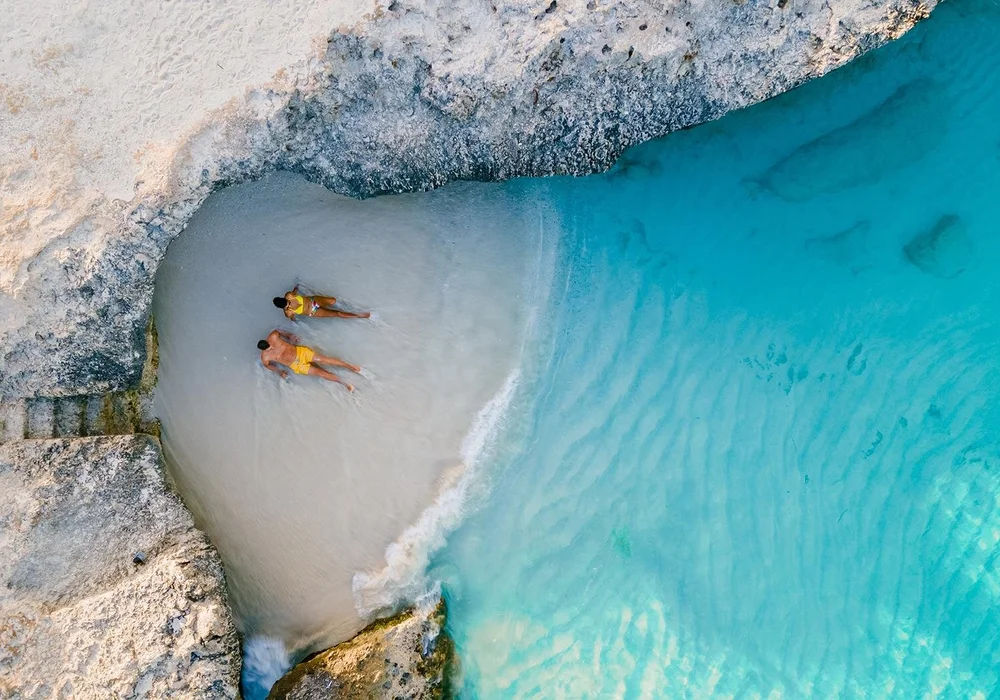
Step off the plane in Aruba and you’ll be greeted by clear skies, turquoise waters, and something a little unexpected: a noticeable lack of plastic. No disposable bags at checkout counters and no plastic straws in your cocktail. This isn’t a coincidence—it’s a carefully crafted effort by the island to protect what makes Aruba so special.
In recent years, Aruba has emerged as a quiet trailblazer in the global fight against plastic pollution. Long before many other destinations even considered banning single-use plastics, Aruba was already moving in that direction. The island’s government introduced its first plastic bag ban in 2017. And in 2020, they stepped up their commitment with a much broader initiative, one that banned the import, sale, and use of a wide range of single-use plastics.
Today, you won’t find traditional plastic grocery bags, straws, cutlery, stirrers, or foam containers anywhere on the island. Even plastic party supplies like confetti and balloons are off-limits, reflecting just how far Aruba is willing to go to keep its environment clean. And it’s working. Beaches are noticeably cleaner, marine life is safer, and the island’s commitment to sustainability is clear in every corner of daily life.
The Plastic-Free Experience
If you’re visiting for the first time, you might do a double take at the grocery store when you realize there are no plastic bags to pack your items in. Locals and tourists alike are encouraged to bring reusable bags, or buy biodegradable ones on the spot. Restaurants serve drinks in reusable or plant-based cups, and your to-go meal is likely to come in a compostable container. These changes, while small on the surface, send a powerful message about the island’s environmental priorities.
Protecting the Reef, One Sunscreen at a Time
Aruba’s environmental policy doesn’t stop at plastics. The island has also banned sunscreens containing oxybenzone, a chemical proven to harm coral reefs. This substance weakens corals’ DNA and their ability to recover from stressors like rising temperatures. Since Aruba is home to a vibrant underwater world—coral gardens, sea turtles, and tropical fish—the sunscreen ban is a major step in protecting marine ecosystems.
As a visitor, switching to reef-safe sunscreen is one of the easiest ways you can help preserve the reef while enjoying Aruba’s warm sun and crystal-clear waters.
Leading by Example
These efforts aren’t just government mandates—they’re embraced by the private sector as well. One shining example is Bucuti & Tara Beach Resort, which was internationally recognized for becoming carbon neutral. This achievement isn’t just a badge of honor for the resort; it positions Aruba as a serious player in the world of eco-tourism.
Aruba’s sustainability goals are part of a larger vision: to become one of the Caribbean’s most environmentally conscious destinations. It’s not just about policies; it’s about culture, mindset, and responsibility.
Your Role as a Conscious Visitor
It may take a moment to adjust if you’re used to single-use convenience. But bringing your own tote bag or sipping from a biodegradable cup are more than just good habits—they’re small actions that support an island-wide movement. Every traveler who respects these initiatives helps reinforce Aruba’s mission to preserve its natural charm for the next wave of visitors.
So while you may not see much plastic on this island, what you will see is an abundance of clear beaches, healthy reefs, and a community deeply committed to protecting their home. Aruba’s approach proves that paradise and sustainability don’t just coexist—they thrive together.