How to Protect Your Skin and the Island’s Coral Reefs
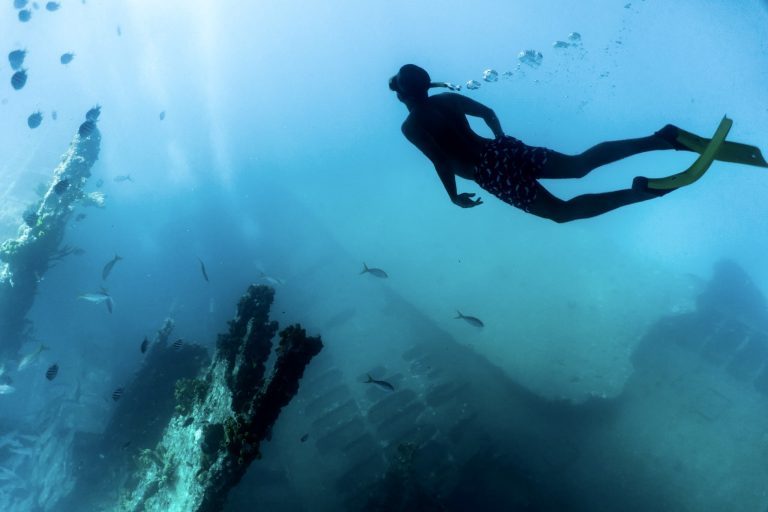
When visiting Aruba, it is impossible not to be drawn to the island’s bright white beaches, clear blue waters, and thriving marine life. Snorkeling, swimming, and long days by the sea are part of the experience. While enjoying everything the island has to offer, visitors also play a role in protecting the natural environment. One of the easiest ways to do this is by choosing reef safe sunscreen.
Aruba has banned sunscreens that contain ingredients known to harm coral reefs. Although enforcement is limited, the goal is to reduce the amount of damaging chemicals that enter the ocean. Choosing reef safe sunscreen supports Aruba’s long term commitment to protecting its marine ecosystems.
Why Reef Safe Sunscreen Matters
Many traditional sunscreens contain chemicals such as oxybenzone and octinoxate. Studies have shown that these substances can contribute to coral bleaching, damage coral DNA, and disrupt marine life. These chemicals can wash off swimmers and accumulate in shallow coastal areas where coral reefs are most vulnerable.
Coral reefs are essential to Aruba’s environment. They provide habitat for fish, support local fisheries, and help protect the shoreline from erosion caused by waves and storms. Healthy reefs also play a major role in tourism, making their protection critical for the island’s future.
What Makes a Sunscreen Reef Safe
Reef safe sunscreens typically use mineral based ingredients like zinc oxide or titanium dioxide. These minerals sit on top of the skin and reflect ultraviolet rays instead of being absorbed. Because they do not dissolve in the same way as chemical sunscreens, they are considered safer for coral reefs when used responsibly.
Mineral sunscreens offer broad spectrum protection against both UVA and UVB rays. They are effective in Aruba’s strong sunlight and are often suitable for sensitive skin, including children.
Benefits for Both the Ocean and Your Skin
Using reef safe sunscreen helps reduce chemical pollution in the ocean while still providing reliable sun protection. Mineral based formulas protect against sunburn and long term skin damage such as premature aging and increased skin cancer risk.
Many reef safe products are also biodegradable and made without harsh additives. This makes them a more environmentally conscious choice for travelers who want to reduce their overall impact while visiting the island.
How to Use Sunscreen Responsibly in Aruba
Sunscreen should be applied at least fifteen minutes before entering the water to allow it to properly adhere to the skin. Reapplication is important every two hours and after swimming or heavy sweating.
Wearing sun protective clothing can further reduce the need for sunscreen. Rash guards, lightweight long sleeve shirts, wide brimmed hats, and UV protective sunglasses offer excellent protection. Seeking shade during peak sun hours and staying hydrated are also essential when spending time outdoors.
Understanding the Aruba Sun
Aruba’s location close to the equator means strong sun exposure year round. Ultraviolet radiation remains high even on cloudy days, and sunburn can occur quickly. The sun is strongest from late morning through mid afternoon, making consistent sun protection especially important.
Reef Safe Sunscreen Brands Available in Aruba
Visitors can easily find reef safe sunscreen on the island. Aruba Aloe is a locally produced brand that uses aloe grown in Aruba and offers mineral based sun care products. Aruba Sun is another local option known for family friendly and reef conscious formulas.
International mineral sunscreen brands that meet reef safe standards are also widely available in supermarkets and pharmacies across the island.
A Shared Responsibility
Choosing reef safe sunscreen is a simple action that makes a meaningful difference. Protecting Aruba’s coral reefs requires collective effort from residents and visitors alike. Small choices add up and help preserve the marine environment that makes the island so special.
By using reef safe sunscreen, respecting marine life, and practicing responsible tourism, visitors help ensure that Aruba’s reefs and coastal waters remain healthy, vibrant, and beautiful for generations to come.