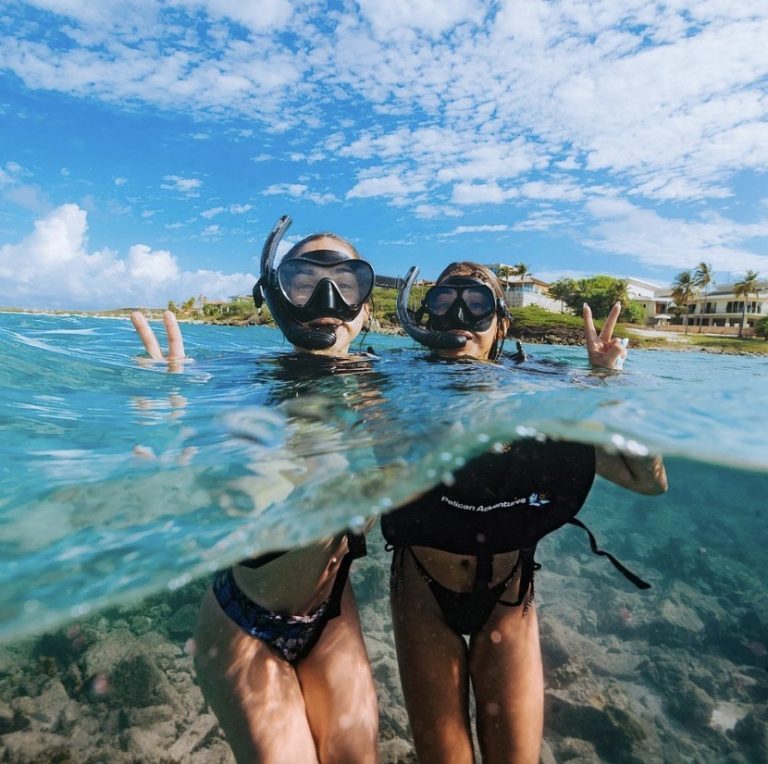
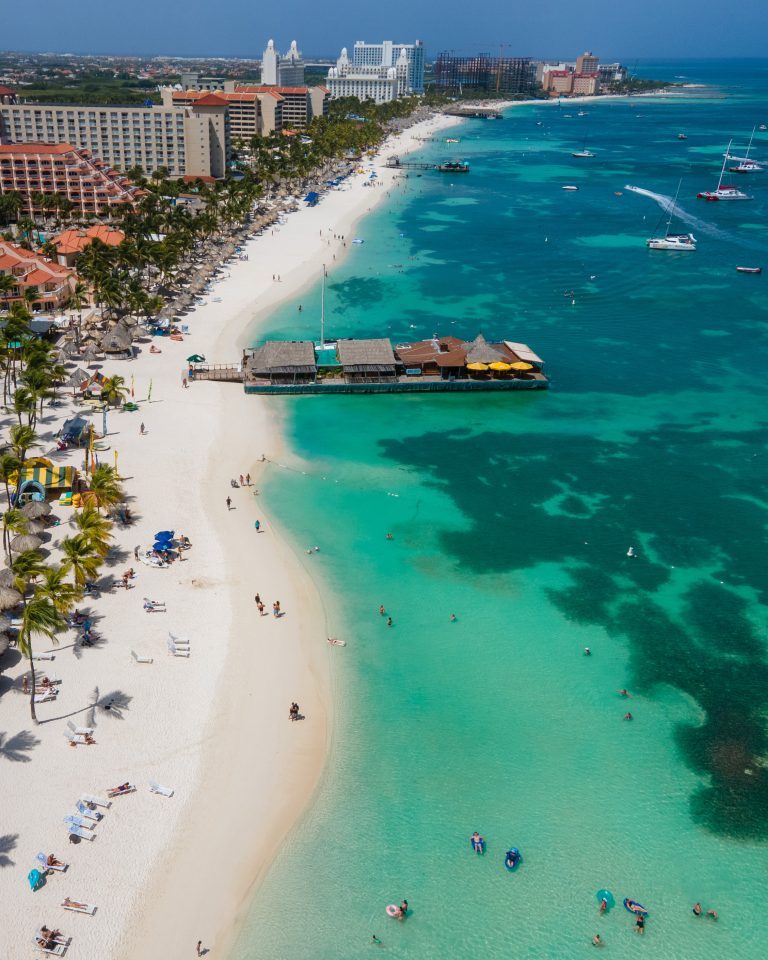
When visiting Aruba, it is easy to be captivated by the island’s stunning beaches, crystal-clear waters, and vibrant coral reefs. While enjoying these natural wonders, travelers also have a responsibility to help protect them. One of the simplest and most effective ways to contribute is by choosing reef-safe sunscreen. Aruba has banned sunscreens containing harmful chemicals to protect its coral reefs. Although enforcement is not strict, making the choice to use reef-safe products can have a significant positive impact on the marine environment.
Why Reef-Safe Sunscreen Matters
Traditional sunscreens often include chemicals such as oxybenzone and octinoxate. Research has shown that these ingredients can cause coral bleaching, inhibit coral growth, and disrupt marine life. Coral reefs are vital to the health of ocean ecosystems. They provide shelter and breeding grounds for countless fish species, support local fisheries, and protect coastlines from erosion. By using reef-safe sunscreen, visitors can enjoy the ocean while minimizing their impact on these delicate ecosystems.
Reef-safe sunscreens generally rely on mineral-based ingredients such as zinc oxide and titanium dioxide. These minerals sit on the surface of the skin and reflect UV rays without being absorbed into the body or the water. This provides effective protection against both UVA and UVB rays while remaining safer for the surrounding marine life.
Benefits of Reef-Safe Sunscreen
Reef-safe sunscreen offers multiple advantages for both the environment and the user. Firstly, it protects coral reefs by avoiding harmful chemicals that contribute to bleaching and coral stress. Secondly, mineral-based formulations provide broad-spectrum UV protection, helping prevent sunburn, premature aging, and skin cancer. Finally, many reef-safe sunscreens are biodegradable, meaning they break down more easily in the environment, reducing ocean pollution.
How to Choose and Use Reef-Safe Sunscreen
When shopping for sunscreen in Aruba or bringing your own, look for products labeled as reef-safe, coral-friendly, or marine-safe. Avoid ingredients such as oxybenzone, octinoxate, parabens, and certain synthetic fragrances. To further reduce your environmental footprint, apply sunscreen at least fifteen minutes before entering the water to allow it to absorb into your skin. Wearing protective clothing such as wide-brimmed hats, long-sleeve rash guards, and UPF-rated garments can also reduce the amount of sunscreen needed while providing additional sun protection.
Sun Protection in Aruba
Aruba’s tropical location near the equator means that UV radiation is intense year-round. The island experiences high levels of sunlight, with peak intensity between ten in the morning and three in the afternoon. Even on cloudy days, UV rays can penetrate and cause skin damage. Visitors should plan to reapply sunscreen every two hours and after swimming or sweating to maintain protection. Combining reef-safe sunscreen with shade, hydration, and protective clothing ensures both safety and comfort while exploring the island.
Local and Trusted Reef-Safe Sunscreen Options
Aruba offers several locally available reef-safe sunscreen brands. Aruba Aloe produces sun lotion made with natural ingredients that protect the skin while remaining coral-friendly. Aruba Sun is a family-owned brand known for its reef-safe formulas that are suitable for the whole family. Internationally recognized brands are also available, such as Sun Bum, which provides UVA and UVB protection and adheres to reef-safe standards, and Hawaiian Tropic Mineral SPF 30, which includes natural botanicals like kukui nut and coconut oil for added hydration.
A Shared Responsibility
Using reef-safe sunscreen is a small action with a big impact. By protecting your skin and avoiding harmful chemicals, you are helping preserve Aruba’s marine ecosystems for future generations. Coral reefs are fragile and require the support of everyone who enjoys them. Simple choices such as selecting reef-safe sunscreen, minimizing single-use plastics, and respecting local wildlife help maintain the natural beauty that makes Aruba so special.
Visitors to Aruba can enjoy the sun, surf, and sand with confidence knowing they are contributing to the protection of one of the Caribbean’s most beautiful marine environments. Choosing reef-safe sunscreen is an easy yet powerful way to ensure that Aruba’s coral reefs, fish, and coastal ecosystems remain healthy, thriving, and vibrant for years to come.