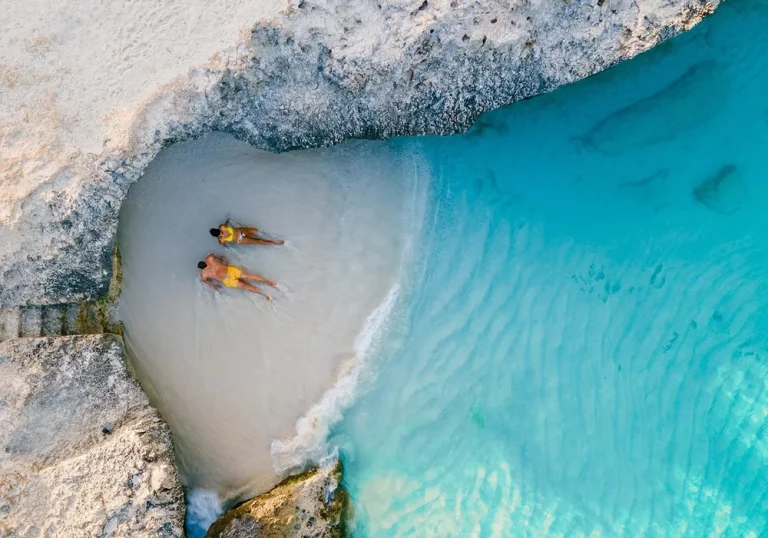
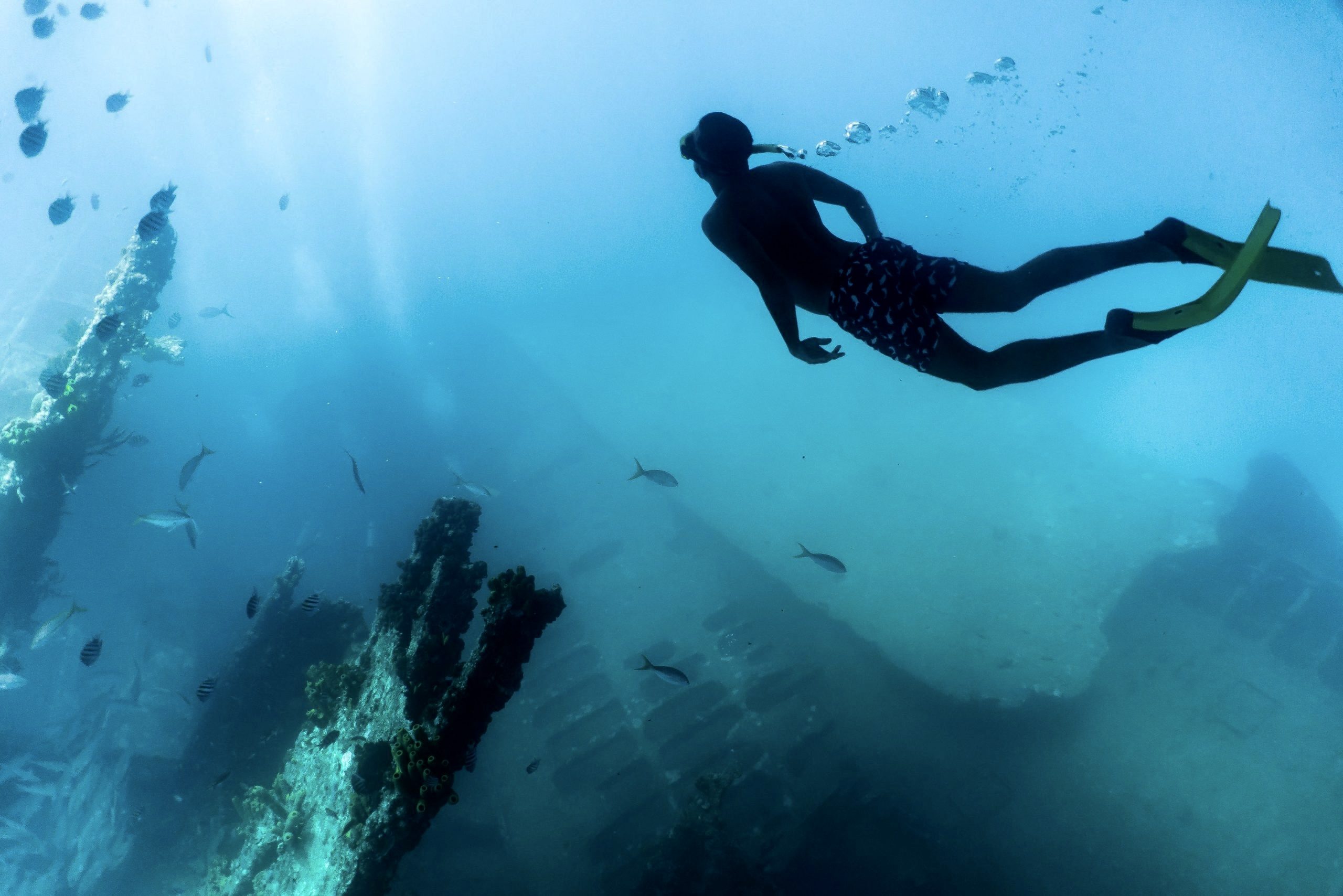
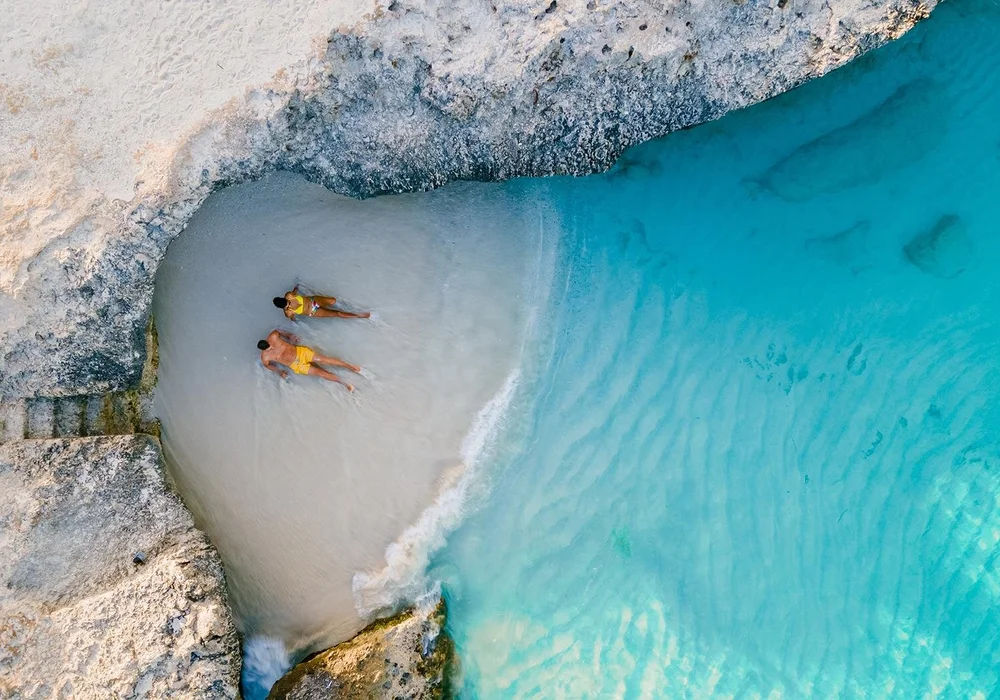
Aruba is well known for its sunny weather, powdery white beaches, and friendly people. But beyond the classic Caribbean vacation scenes, this island is full of unexpected charm, cultural richness, and natural wonders that make it stand out. Whether you are planning your first trip or you already have a favorite beach bar on the island, here are some fun and totally true facts that show why Aruba is one of the most unique places in the region.
The Weather Is Almost Too Perfect to Be True
When people say Aruba has good weather, they are not exaggerating. The island enjoys an average temperature of around eighty two degrees Fahrenheit throughout the year, and the skies are usually clear. What really makes it special is that Aruba lies just outside the hurricane belt, which means you can count on sunshine with very few rainy interruptions. And thanks to consistent trade winds, it never feels too hot. Just make sure to wear sunscreen because the breeze can trick you into forgetting how strong the sun actually is.
Four Languages and One Welcoming Island
Aruba might be small, but its linguistic talent is impressive. Most locals speak four languages fluently: Dutch, Papiamento, English, and Spanish. Dutch and Papiamento are the official ones, but visitors will often hear all four in casual conversations. Papiamento, the local creole language, is especially fascinating. It blends Portuguese, Spanish, Dutch, African languages, and even a little English. One of the most common and beloved words you will hear is “dushi,” which can mean sweet, kind, or attractive. It is always a compliment, so take it with a smile.
Nature Has Its Own VIP Treatment
The island might be a favorite destination for travelers, but it also takes excellent care of its animal residents. Aruba protects several species of sea turtles, and nesting season is carefully monitored to ensure the eggs hatch safely. There is also a donkey sanctuary that gives rescued animals a peaceful life after years of hard work. And yes, flamingos really do roam on private beaches like those at Renaissance Island. They are not everywhere, but they are definitely part of Aruba’s wildlife charm.
Gold, Oil, and Aloe Built Aruba’s Foundation
Long before Aruba became a tourist favorite, the island was shaped by three key industries. In the nineteenth century, a gold rush led to the construction of mines and smelters. Later on, the island developed one of the largest oil refineries in the world, boosting the economy even further. But one of Aruba’s most enduring legacies is aloe vera. The island’s climate produces aloe of very high quality, and the Aruba Aloe Factory still produces skin care products that are loved by both locals and visitors. If you get sunburned, you know exactly where to turn.
Every Month Is Festival Season
Arubans know how to celebrate. The island’s biggest cultural event is Carnival, a season filled with parades, music, costumes, and island-wide joy that builds up for weeks. But that is only one part of the party calendar. Aruba also celebrates holidays like Dia di San Juan, also known as Dera Gai, with traditional music and dances that reflect the island’s cultural roots. There are also food festivals, music events, and beach parties all year round. No matter when you visit, you are likely to find something fun happening.
Tap Water You Can Actually Brag About
Many travelers are cautious about drinking water in unfamiliar places, but Aruba makes it easy. The island produces its own water through an advanced desalination process, turning seawater into some of the purest drinking water in the world. Locals drink straight from the tap, and you can too. It is safe, fresh, and it might even taste better than what you are used to back home.
There Is a Desert Hidden Behind the Beaches
Aruba is not just about beaches. A short drive inland takes you to a completely different landscape filled with cacti, rocky hills, and hidden caves. Arikok National Park covers nearly twenty percent of the island and is filled with unique wildlife, dramatic cliffs, and cave drawings left behind by Aruba’s original inhabitants, the Caquetío people. Exploring this rugged side of the island gives you a whole new appreciation for its natural diversity.
One Happy Island Is More Than Just a Slogan
Aruba is often called One Happy Island, and it is not just a marketing phrase. Visitors frequently say the warmth of the local people is what makes the biggest difference. Whether it is your taxi driver, hotel staff, or the person selling coconuts on the beach, you are likely to be greeted with a genuine smile. The culture here is rooted in kindness, pride, and a deep connection to the island. It is hard not to feel at home, even if you are thousands of miles away from your own.
Bonus Fun Facts That Might Surprise You
- Aruba is home to divi divi trees, which always point west thanks to the constant trade winds. They make for amazing photos and help you figure out which direction you are walking.
- The island has its own version of a natural bridge, made entirely of limestone and shaped by waves over centuries. While the original collapsed in 2005, the nearby Baby Bridge still gives you a glimpse of this natural wonder.
- Aruba’s national bird is the burrowing owl, known locally as the shoco. These owls live in the ground and are a beloved part of the island’s wildlife.
The Bottom Line
Whether you are here to unwind on the beach, dance in a parade, explore a desert landscape, or learn a few words in Papiamento, Aruba offers more than just a postcard-perfect escape. It is a place where culture, nature, and happiness meet in the most delightful ways. Come for the beaches, stay for the stories, and leave already planning your next visit.