When people imagine their dream vacation, they often think of bustling cities, dazzling skylines, or adventurous treks through faraway lands. Yet there is another kind of travel that offers something deeper and more restorative. It is not about chasing excitement, but about rediscovering balance, peace, and connection. On the southern edge of the Caribbean Sea lies a small island that embodies this way of traveling. Aruba is not just a destination. It is an experience that quietly shifts how you see the world and how you feel within it.
The Heart of the One Happy Island
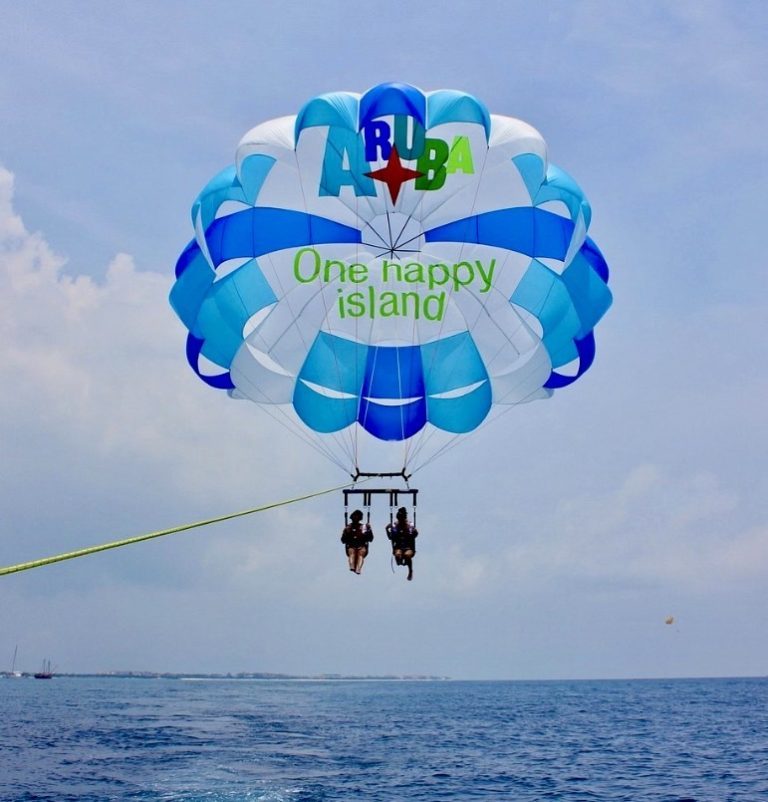
Aruba’s nickname, “One Happy Island,” is more than a slogan. It reflects a genuine way of life. From the moment you step onto the island, you feel it—the friendliness in every greeting, the easy rhythm of daily life, and the sense that happiness here is simple and sincere. Conversations flow effortlessly, smiles come naturally, and even time seems to stretch a little longer.
This warmth comes from Aruba’s diverse culture. Influences from African, Dutch, Spanish, and Indigenous roots have blended over centuries to form a community that values kindness, resilience, and togetherness. Locals take pride in sharing their heritage through music, food, and storytelling. Whether you are learning a few words of Papiamento, listening to steel drums at sunset, or tasting traditional dishes like keshi yena or pan bati, you are welcomed into a culture that celebrates joy in its purest form.
Nature That Nurtures
Beyond the beaches that first draw travelers in, Aruba reveals a different kind of beauty—wild, raw, and full of contrast. The island’s landscape is shaped by sun, wind, and sea. While much of the Caribbean is lush and tropical, Aruba’s terrain is uniquely dry and rugged, dotted with cacti and divi-divi trees bent gracefully by the constant trade winds.
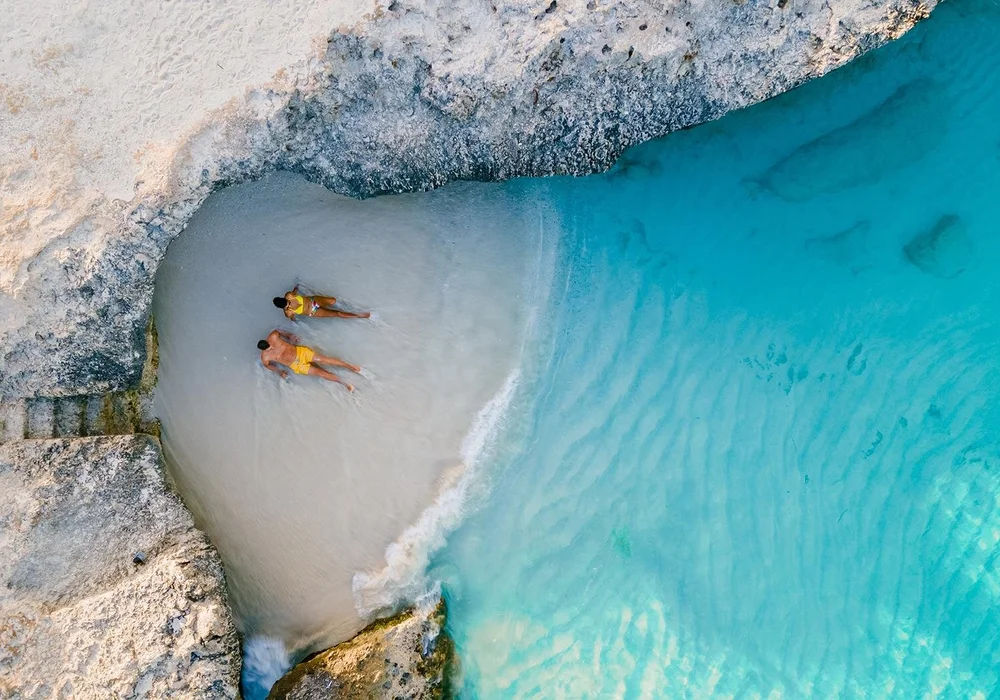
Arikok National Park, which covers nearly one fifth of the island, offers an intimate look at this untamed side of Aruba. Here, trails wind through rocky hills, hidden caves, and quiet inlets where turquoise waves crash against volcanic stone. You can explore ancient Arawak petroglyphs in Fontein Cave, wander through the soft sands of Dos Playa, or stand on the cliffs of Boca Prins to watch the ocean in motion. Every corner of the park feels alive with the island’s spirit of endurance and renewal.
Even outside the park, nature continues to surprise. In the north, dramatic rock formations like Casibari and Ayo rise from the desert floor. To the south, mangroves at Spanish Lagoon protect marine life and serve as a reminder of the island’s ecological importance. Aruba’s commitment to conservation ensures that these landscapes remain unspoiled, allowing both visitors and wildlife to coexist in harmony.
The Art of Slowing Down
Modern life often moves too fast. Aruba offers a gentle invitation to slow it all down. There is something deeply soothing about the rhythm of the island—the sound of waves lapping against the shore, the rustle of palm leaves in the breeze, the golden light that lingers long after sunset.
Here, days are not measured by schedules but by sensations. The warmth of the sand beneath your feet. The taste of fresh fruit from a beachside stand. The stillness of an afternoon nap in a shaded hammock. Aruba encourages you to stop counting minutes and start noticing moments.
This slower pace is not just about relaxation—it is about reconnection. It allows space for reflection, creativity, and gratitude. Whether you are traveling solo, with family, or with a partner, Aruba creates the right environment to listen to yourself and to others.
Beneath the Surface
Aruba’s magic extends beneath the waves. The island’s clear, calm waters make it one of the Caribbean’s top destinations for snorkeling and diving. Shallow reefs just off the coast are home to colorful fish, sea turtles, and coral gardens. For those eager to explore deeper, the island has several fascinating shipwrecks, including the Antilla, a German freighter sunk during World War II. Now covered in coral and sea life, it has become an underwater sanctuary and a living museum.
Snorkelers can easily explore the reefs at Boca Catalina or Malmok Beach, where schools of angelfish and parrotfish glide through the crystal water. Divers often venture farther out to discover sites like the Pedernales wreck or the coral-covered planes of Skalahein Reef. Each dive tells a story of history and nature intertwined.
A Culture of Conscious Living
Aruba is also a leader in sustainability and eco-friendly tourism. The island has banned single-use plastics and certain sunscreens that harm coral reefs, showing a deep commitment to preserving its natural beauty for future generations. Local resorts and tour operators actively promote responsible travel, encouraging visitors to respect the island’s fragile ecosystems.
This mindful approach to tourism blends perfectly with the island’s peaceful spirit. Here, travel feels purposeful. Every small choice—whether you bring a reusable water bottle, use reef-safe sunscreen, or support local artisans—becomes part of a shared effort to protect paradise.
Rediscovering What Truly Matters
In Aruba, you are reminded that happiness does not need to be grand or complicated. It lives in the everyday moments—the laughter of children playing by the shore, the taste of grilled fish shared at a beachside shack, the calm of watching the horizon fade into dusk.
When you return home, you carry more than just photos or souvenirs. You bring back a sense of balance, a renewed appreciation for the simple pleasures of life. Aruba does not demand that you see or do everything. Instead, it offers the rare gift of space to breathe, to connect, and to simply be.
If you are looking for a place that nourishes both body and spirit, Aruba quietly calls to you. It is not just a vacation spot—it is a gentle teacher, reminding you that the best journeys are the ones that bring you closer to yourself.