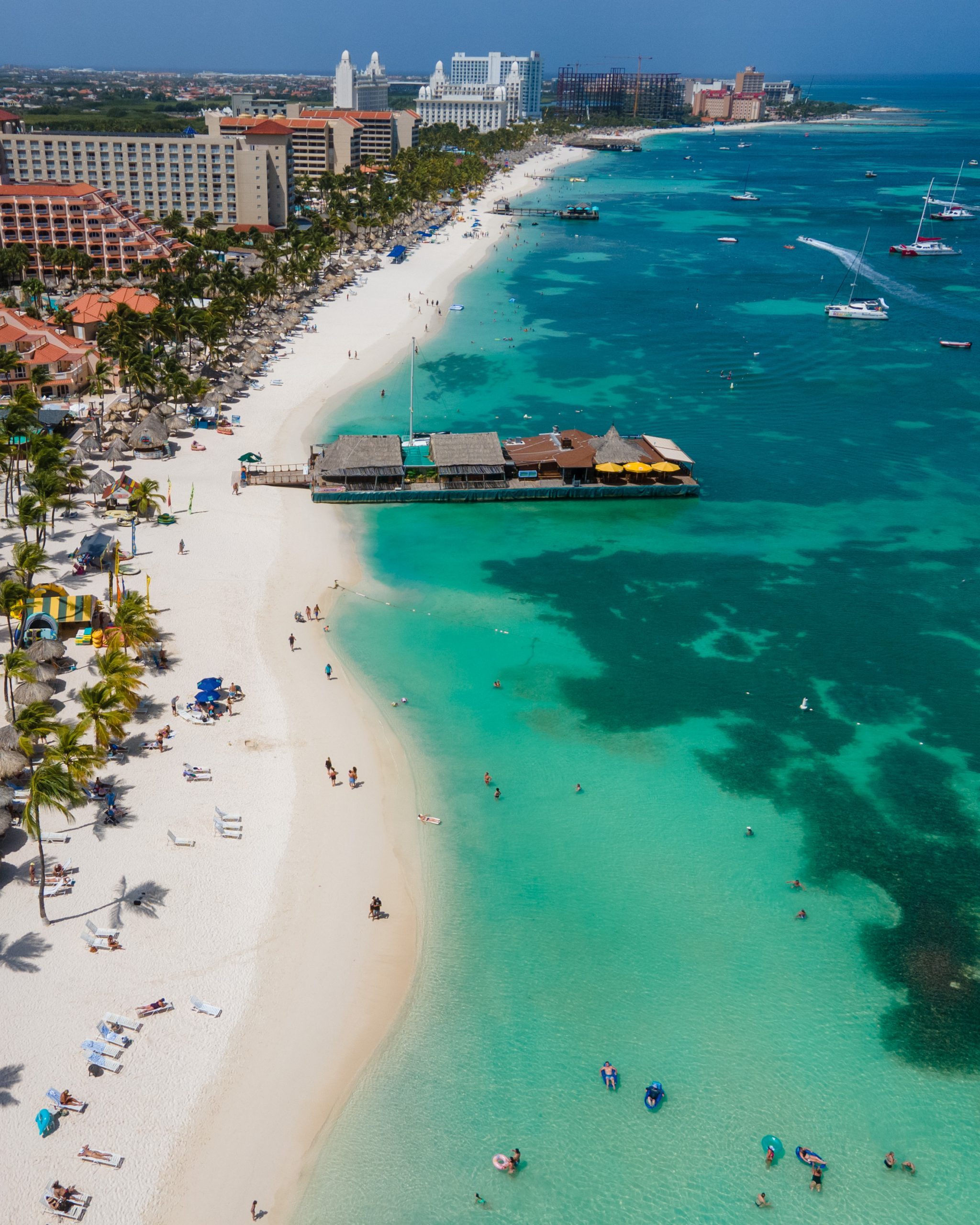
Traveling to Aruba offers visitors a chance to experience a Caribbean island shaped by centuries of cultural exchange, strong community values, and a deep respect for nature. While Aruba is often described as easy to navigate for American travelers, daily life on the island follows customs and social norms that reflect its unique history and identity. Understanding these cultural details can help visitors feel more comfortable, interact respectfully with locals, and gain a deeper appreciation for the island beyond its beaches.
A Culture of Greeting and Courtesy
Politeness and acknowledgment are an important part of everyday life in Aruba. It is customary to greet people when entering shops, restaurants, offices, or even smaller waiting rooms. A simple greeting is not seen as optional but as a basic sign of respect. Common greetings include Bon dia in the morning, Bon tardi in the afternoon, and Bon nochi in the evening. These phrases come from Papiamento, the most widely spoken language on the island. Even when speaking English, beginning an interaction with a greeting is expected and appreciated. This practice reflects the island’s strong sense of community and social connection.
A Relaxed and Measured Pace of Life
Aruba operates at a calmer pace than many large cities in the United States. While businesses are professional and organized, daily life places less emphasis on urgency. Restaurant service is often unhurried, especially in the evening, as dining is viewed as a social experience rather than a task to complete quickly. Business hours can vary, particularly on Sundays and public holidays, when many locally owned shops close or operate for shorter periods. This slower rhythm is a reflection of island life and encourages visitors to slow down and adapt to their surroundings.
Languages Spoken on the Island
Aruba is a multilingual society. The official languages are Dutch and Papiamento, and English and Spanish are also widely spoken. Papiamento is a Creole language with roots in Portuguese, Spanish, Dutch, and African languages, and it is used in daily conversation, media, and cultural expression. Dutch is used in government, legal matters, and formal education. English is taught in schools and is commonly spoken, especially in tourism related settings. This linguistic diversity reflects Aruba’s history as a trading hub and its long standing international connections.
Driving Customs and Road Awareness
Driving in Aruba may feel different for visitors who are used to American road systems. Roundabouts are common throughout the island and are used to manage traffic flow efficiently. Drivers are expected to yield properly and signal clearly when exiting. Honking is uncommon and is generally reserved for situations where safety is involved rather than as a form of impatience. Parking rules vary by area. In downtown Oranjestad, parking regulations are enforced and clearly marked, while other parts of the island may feel more relaxed. Visitors are expected to follow posted signs and local traffic laws.
Holidays and Cultural Celebrations
Aruba has a strong tradition of public celebrations that reflect its cultural pride. Carnival is the largest and most well known annual event, taking place in the early months of the year and featuring parades, live music, costumes, and community gatherings. In addition to Carnival, Aruba observes several public holidays, including national and religious observances. On these days, government offices close and many businesses adjust their hours or close entirely. Planning activities around holidays allows visitors to experience local traditions while avoiding unexpected closures.
Environmental Awareness and Conservation
Respect for nature is a core value in Aruba. The island has limited natural resources, which has led to a strong focus on conservation and environmental responsibility. Littering is socially discouraged and laws are in place to protect beaches, wildlife, and marine ecosystems. Aruba enforces regulations to protect coral reefs and sea turtles, particularly during nesting season. Visitors are required to follow guidelines when snorkeling, diving, or visiting protected areas. These measures help preserve the island’s environment for both residents and future visitors.
Daily Life and Social Norms
Arubans are known for being welcoming and approachable, but respect and courtesy are always expected in return. Dressing appropriately when away from the beach, being patient in service settings, and showing consideration in public spaces are part of everyday etiquette. Aruba is a safe and well organized destination, but like anywhere else, visitors are expected to be aware of their surroundings and follow local rules.
Understanding Aruba Beyond the Beaches
Aruba offers more than scenic coastlines and warm weather. Its culture is shaped by history, language, environmental awareness, and a strong sense of community. Visitors who take the time to understand local customs and social expectations often find their experience to be more meaningful and enjoyable. By respecting traditions, embracing the island’s pace of life, and engaging with the local culture, travelers can connect with Aruba in a way that goes far beyond tourism.