

In recent years, visitors to Aruba have noticed small piles of rocks appearing along the coastline and in the desert landscape. While some may see this as a harmless bit of creativity or a way to mark a visit, it is an activity that causes real harm to the island’s environment. Rock stacking is not a local tradition and is strongly discouraged by conservation groups and park authorities.
On the surface, building a little tower of stones might feel like a peaceful or artistic act. In other parts of the world, rock piles known as cairns have been used for navigation or as markers with spiritual meaning. In Aruba, however, moving rocks from their natural position disrupts a delicate ecosystem. Many small creatures such as crabs, lizards, and insects live under or between those stones. When the rocks are taken away, these animals lose shelter and are left exposed to the sun, wind, and predators. Over time, this can reduce local biodiversity and damage microhabitats that take years to recover.
The harm is not just about wildlife. Aruba is valued for its raw, natural scenery. The sweeping desert terrain, rugged coastline, and hidden coves feel special because they remain untouched. When rock stacks start to appear in these areas, they create a manmade intrusion that changes the character of the landscape. What was once wild now carries signs of human interference, and this diminishes the experience for other visitors seeking nature in its pure form.
It is also worth remembering that rock stacking is not part of Aruba’s history or culture. The belief that it brings luck or makes wishes come true does not come from local tradition. It is something borrowed from elsewhere and introduced without considering the environmental cost. Aruba’s tourism and conservation organizations actively remind visitors to follow a “leave no trace” approach. This means taking only photos, leaving what you find, and avoiding any action that alters the natural setting.
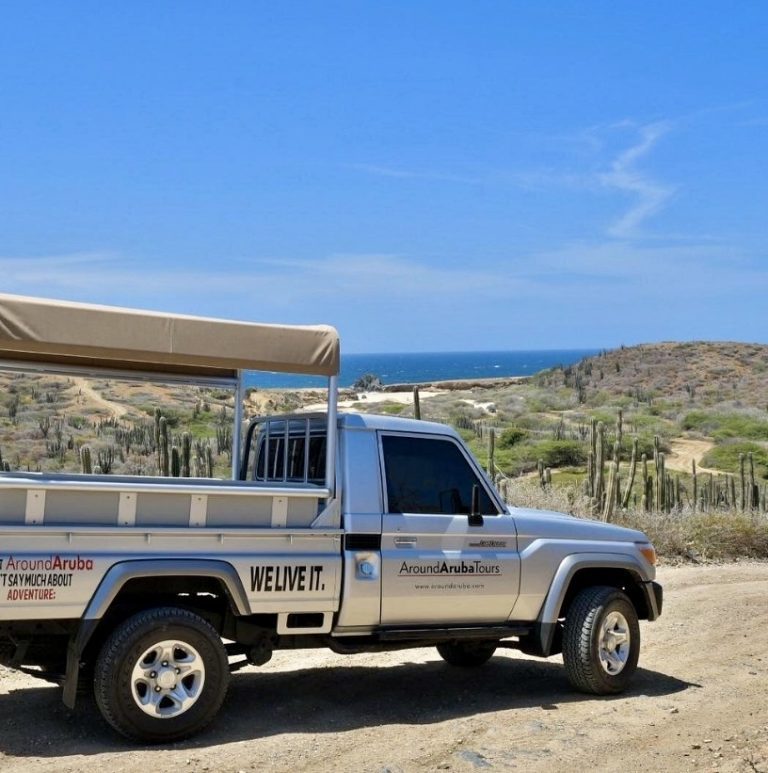
There are far better ways to connect with the island. You could take a guided hike to learn about native plants and wildlife, visit Arikok National Park with a local ranger, or join a conservation project that helps protect sea turtles or native birds. Even something as simple as quietly observing the landscape or capturing it in a photograph can be more rewarding than leaving behind a pile of stones.
If you see rock stacks during your visit, you do not need to touch them, but you can choose not to add to them. Respecting the natural arrangement of the land is one of the simplest ways to show care for Aruba. Every visitor who leaves the environment as they found it helps ensure that future travelers will experience the same unspoiled beauty.
In the end, the best souvenir you can take from Aruba is not a physical marker of your presence but the memory of a place that stayed wild and real. By leaving the rocks where they are, you give the island and its creatures the respect they deserve.






One Response
Thank you for your post. Perhaps the hotels should have this message included with some correspondence they always provide to guest.