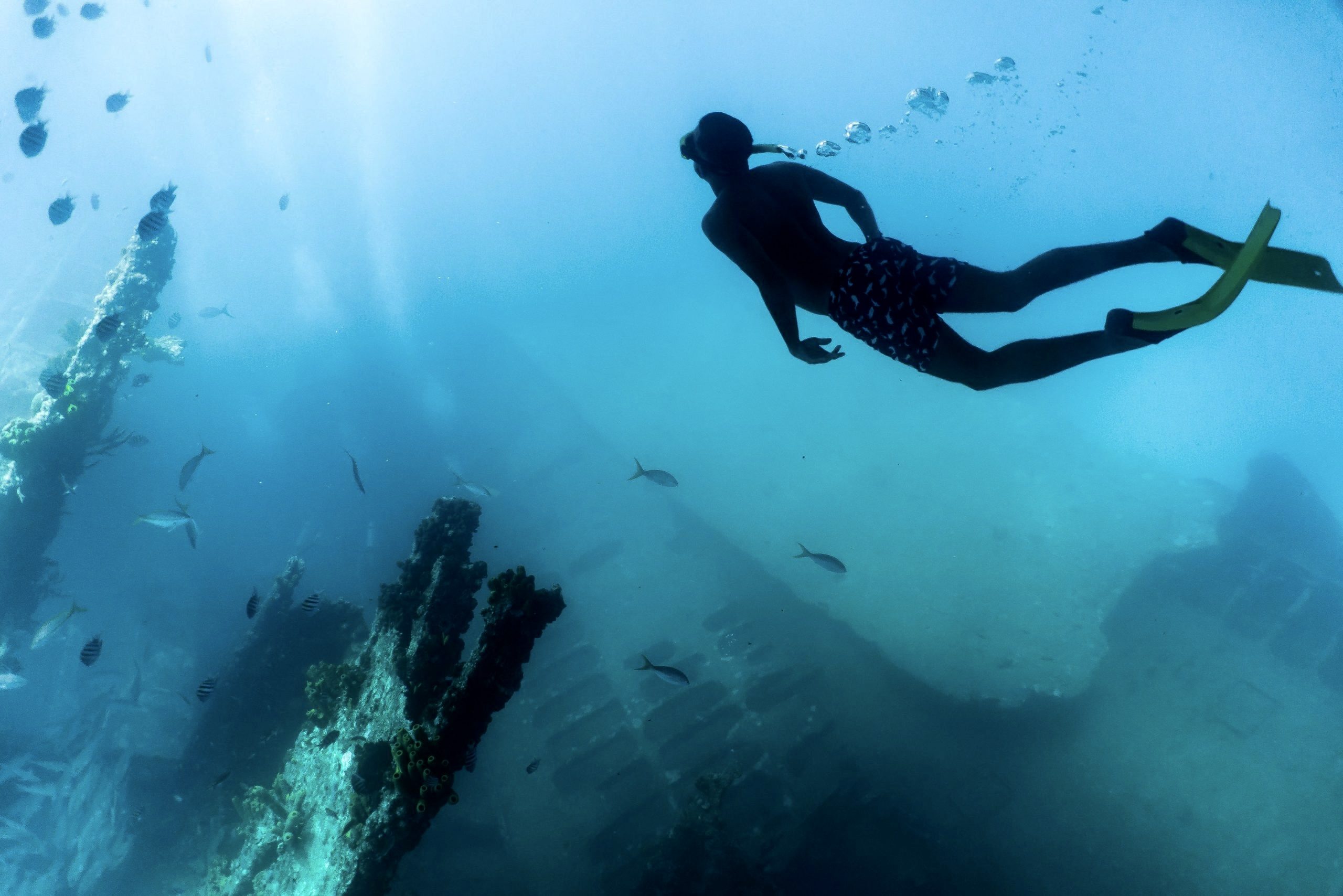
When most people picture Aruba, they imagine long stretches of soft white sand, turquoise waters that sparkle under endless sunshine, and calm waves that invite you to stay all day. While that image is accurate, it only reveals one side of the island’s story. Beyond the beaches lies a landscape of contrasts, a culture shaped by centuries of influence, and a community that has learned to thrive in one of the Caribbean’s most unique environments.
A Desert in the Caribbean
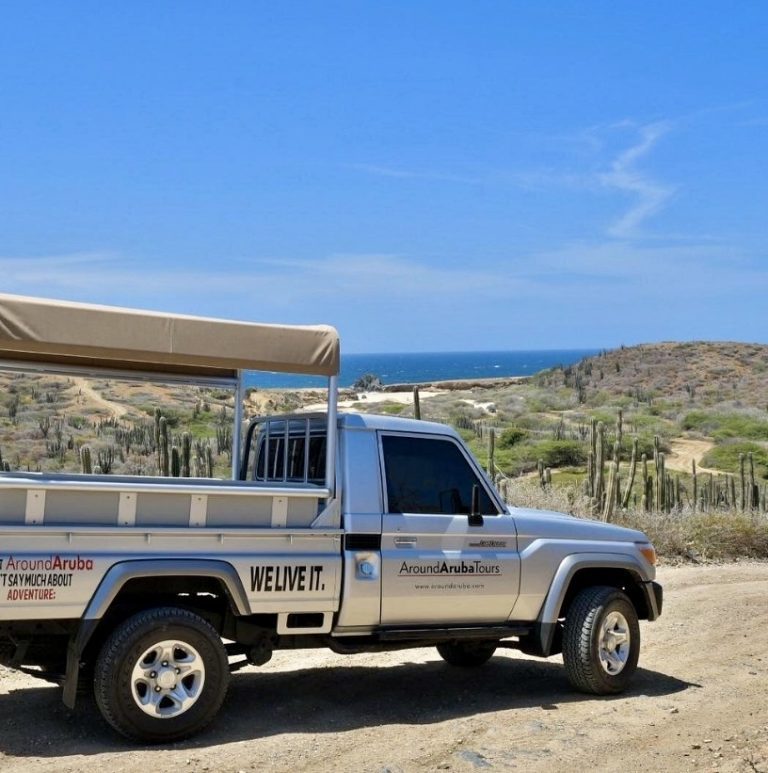
Unlike the lush, rainforest-covered islands of the Caribbean, Aruba has a dry, desert-like climate. Towering cacti dominate the landscape, while the iconic divi divi tree bends gracefully in the direction of the constant trade winds. This arid terrain gives Aruba its year-round sunshine, minimal rainfall, and striking natural beauty. From the dramatic limestone cliffs along the north coast to the rugged trails of Arikok National Park, the island invites adventure seekers to explore a side of the Caribbean that feels almost otherworldly.
Hiking and off-road excursions reveal hidden coves, natural bridges, and ancient geological formations that tell the story of how the island was shaped by wind and sea. The desert terrain also supports a surprising array of life, from aloe plants to colorful birds that have adapted to the dry environment.
An Island that Makes Its Own Water
Aruba is one of the few places in the world without rivers or lakes, yet it has some of the cleanest drinking water anywhere. The island has perfected the process of desalination, transforming seawater into pure fresh water for residents and visitors alike. This system, one of the most advanced globally, has been a cornerstone of Aruba’s success and sustainability. Travelers can safely drink straight from the tap, a rare privilege in many island destinations.
A Cultural Mosaic of the Caribbean
Aruba’s culture is a reflection of its diverse history. Influences from Indigenous peoples, Europeans, Africans, and Latin Americans have blended over centuries to create something entirely its own. The island’s official languages are Dutch and Papiamento, a local Creole language that mixes Portuguese, Spanish, Dutch, and African roots. Nearly everyone also speaks English and Spanish, making communication effortless for visitors.
This multicultural heritage comes alive in Aruba’s food, music, and celebrations. You can taste it in dishes like keshi yena, a savory blend of cheese and spiced meat, or in fresh seafood prepared with Caribbean flair. Festivals such as Carnival, Dande, and Bon Bini Festival showcase traditional dance, colorful costumes, and music that fill the island with joy and rhythm year-round.
A Window to the Past
Aruba’s story began long before tourism. Centuries ago, the Caquetio people inhabited the island, leaving behind a record of their lives in ancient cave paintings. Sites such as Fontein Cave and Guadirikiri Cave still bear their markings, offering a glimpse into Aruba’s earliest history. These preserved sites allow visitors to connect with the island’s roots and understand how deeply its culture is tied to the land.
Wildlife in Unexpected Places
Aruba’s desert ecosystem nurtures wildlife that might surprise first-time visitors. Iguanas bask in the sun, wild goats roam the hills, and bright parakeets known as prikichis fill the skies with flashes of green. The island’s coastline provides nesting grounds for sea turtles during the summer, while the national park shelters owls, donkeys, and rare native plants. Every part of Aruba’s landscape holds life that thrives under challenging conditions, a reflection of the island’s resilient spirit.
An Island of Innovation and Sustainability
Aruba is more than a tropical escape. It is a nation built on innovation, constantly finding ways to live harmoniously with its environment. The island’s commitment to renewable energy has made it a leader in sustainability across the Caribbean. Wind turbines line the coast, solar panels power homes and businesses, and long-term goals aim to make Aruba one of the region’s first fully sustainable islands.
More Than Just a Vacation Destination
Aruba is a place where culture, nature, and innovation meet. It is an island that has learned to make the most of its natural resources while preserving its heritage and environment. Beyond the beaches and resorts lies an authentic story of resilience, creativity, and connection—a story waiting to be discovered by those who venture off the beaten path.