More Than Beaches and Blue Seas
When people think of Aruba, white sand beaches and turquoise water usually come to mind. But the island is also home to a surprising variety of wildlife, both on land and beneath the sea. From colorful birds and fast moving lizards to nesting sea turtles and vibrant marine life, Aruba offers countless opportunities to connect with nature while exploring the island.
Whether you are hiking through rocky landscapes, snorkeling in clear waters, or simply relaxing in a garden, chances are you will encounter some of Aruba’s most fascinating animals.
Wildlife on Land
Small Island Big Variety
Aruba’s dry climate and unique ecosystem have shaped a group of animals that are perfectly adapted to island life. Lizards are everywhere and often the first animals visitors notice. You will commonly see whiptail lizards darting across paths, green iguanas soaking up the sun, and tiny geckos hiding in stone walls.
Donkeys and goats also roam freely in certain areas of the island, especially outside the hotel zones. These animals have become part of Aruba’s landscape and history and are often spotted along roadsides and open fields.
Birdlife in Aruba is especially rich. Flamingos, herons, pelicans, spoonbills, and owls can be seen across the island. Bird lovers often visit quiet areas like wetlands and nature reserves to spot both local and migratory species.
Aruba’s Endemic and Iconic Animals
Some animals found in Aruba exist nowhere else in the world, making them especially important to protect.
The Shoco
Aruba’s national animal is the Shoco, also known as the Aruban burrowing owl. This small owl nests underground and can be seen during both day and night. With its long legs and striking yellow eyes, the Shoco has become a powerful symbol of Aruba’s identity. Sadly, it is endangered due to habitat loss and invasive predators, which makes conservation efforts essential.
The Prikichi
The Prikichi is Aruba’s national bird. This bright green parakeet has blue markings on its wings and yellow tones on its head and tail. Prikichis are social birds that travel in noisy groups and are usually found in areas with plenty of vegetation. Like the Shoco, the Prikichi faces threats from habitat loss and invasive species.
The Blenchi
The Blenchi, or Aruban hummingbird, is another local favorite. Tiny and energetic, it feeds throughout the day on flower nectar and small insects. You can often spot Blenchis hovering near flowering plants, especially in gardens and quieter neighborhoods.
Sea Turtles
A Seasonal Wonder
Aruba is an important nesting site for sea turtles. Four species nest on the island including the Green sea turtle, Hawksbill, Loggerhead, and Leatherback. Nesting season typically runs from March through September.
During this time, turtle nests can be found on beaches such as Eagle Beach, Palm Beach, Arashi, and along the eastern coast. Nests are carefully marked and monitored by local conservation groups. Visitors are encouraged to keep their distance, avoid artificial lights at night, and never touch nesting turtles or hatchlings.
Seeing a turtle return to the sea is one of the most unforgettable wildlife experiences Aruba has to offer.
Marine Life
Color Beneath the Surface
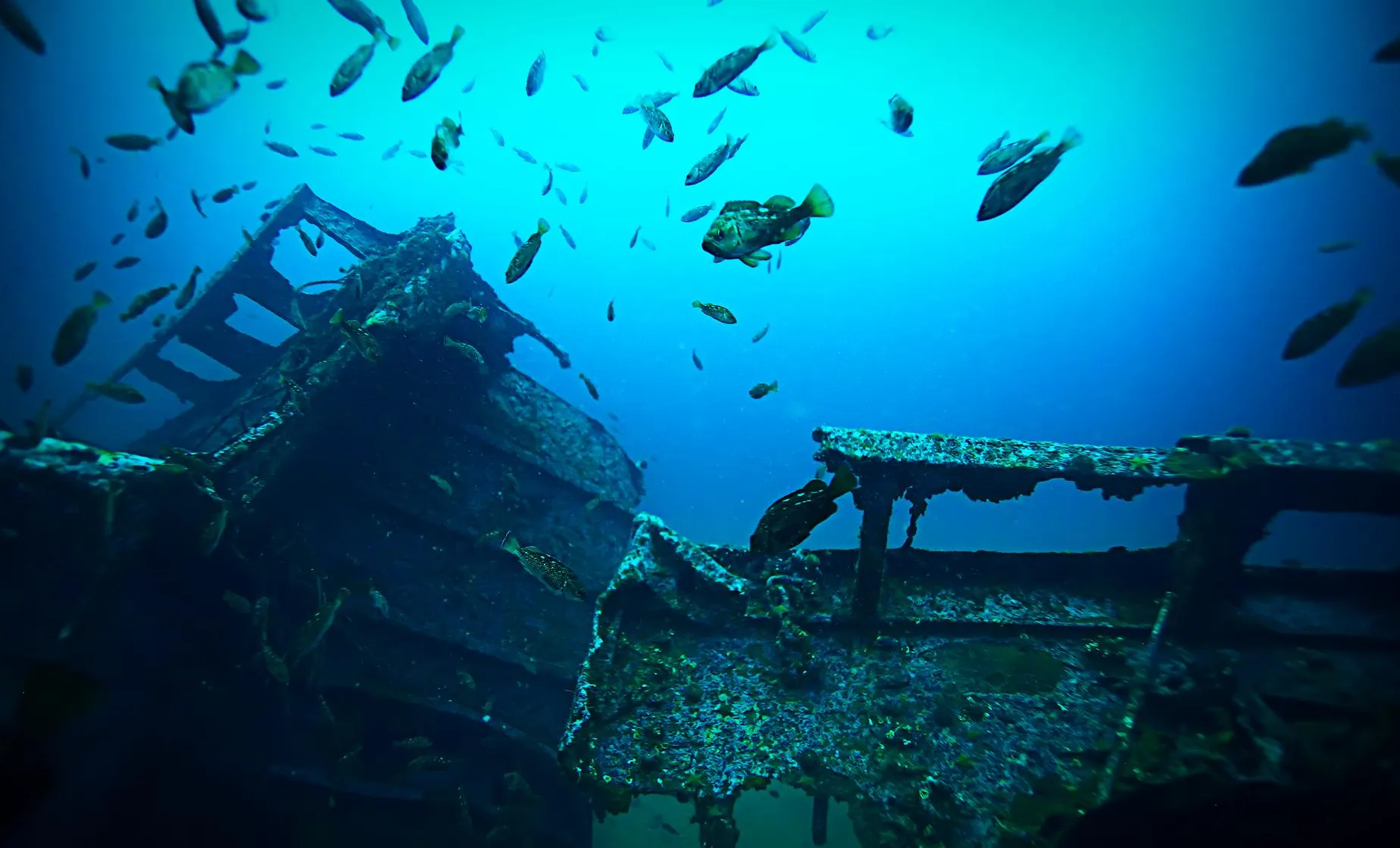
Aruba’s underwater world is just as impressive as its land based wildlife. Snorkelers and divers regularly encounter parrotfish, damselfish, angelfish, hogfish, and schools of smaller reef fish moving among coral formations.
In addition to fish, the sea is home to starfish, sea urchins, crabs, and vibrant coral. Respecting marine life is essential. Nothing should be touched or removed from the ocean, allowing Aruba’s reefs to remain healthy for future generations.
The Kododo Blauw
The Blue Lizard of Aruba
One of Aruba’s most recognizable reptiles is the Kododo Blauw, a blue whiptail lizard unique to the island. These lizards are incredibly fast and can reach impressive speeds when warmed by the sun. They play an important role in the ecosystem by spreading seeds and controlling insect populations.
Kododos are curious and often approach people, especially during outdoor meals. While they may seem friendly, feeding wildlife is discouraged to keep natural behaviors intact.
Protecting Aruba’s Wildlife
Aruba takes conservation seriously. Visitors can help by staying on marked trails, avoiding litter, reducing plastic use, and observing animals from a respectful distance.
Several sanctuaries across the island support wildlife protection and education. Bubali Bird Sanctuary offers peaceful birdwatching. The Butterfly Farm provides an immersive garden experience. The Donkey Sanctuary cares for rescued animals. Organizations like the Aruba Conservation Foundation manage protected areas that cover more than a quarter of the island.
A Living Island
Aruba’s animals are not hidden away. They are part of daily life, sharing beaches, gardens, and landscapes with residents and visitors alike. Taking time to notice them adds a deeper layer to any visit and reminds us that Aruba is not just a destination, but a living island with a rich and delicate ecosystem worth protecting.