When most people picture Aruba, they imagine the white sands and resorts of Palm Beach and Eagle Beach. But drive south from the island’s busiest visitor areas and Aruba begins to feel noticeably different.
Along the southwestern and southeastern reaches of the island, Savaneta and San Nicolas offer historic neighborhoods, fishing traditions, Caribbean influences, colorful street art, beautiful beaches and plenty of opportunities for outdoor adventure. It’s an excellent part of Aruba to explore when you want to experience more than the resort district.
Savaneta: A Historic Village by the Sea
Savaneta holds an important place in Aruban history. Located along the southwestern coast, it served as Aruba’s first capital until 1797, when Oranjestad became the capital. Today, Savaneta retains a relaxed, residential character and strong connection to the sea.
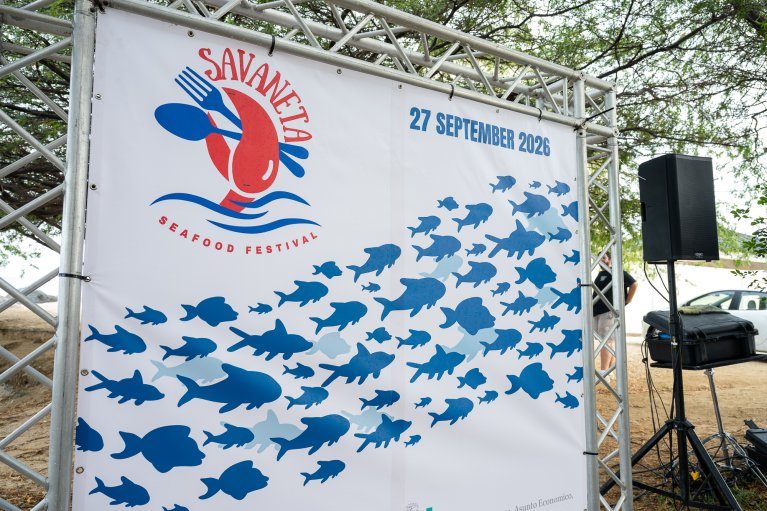
Fishing remains part of the area’s identity, and one of its best-known establishments is Zeerover. The waterfront restaurant and fisherman’s wharf has become famous for its straightforward approach to seafood: fresh fish and shrimp are prepared and served without unnecessary fuss, with diners eating beside the water.
The atmosphere is part of the experience. Rather than an elaborate fine-dining meal, a visit here is about fresh seafood, sea breezes and getting a taste of Savaneta’s fishing heritage.
Spend Some Time at Mangel Halto
Just north of Savaneta is Mangel Halto, one of the most distinctive coastal spots on this side of Aruba.
Mangroves line sections of the shoreline, opening onto shallow turquoise water protected in part by the offshore reef. The area is popular for swimming and snorkeling, and its relatively peaceful surroundings make it a lovely place to spend a few hours away from the busier resort beaches.
The mangroves and marine environment are also a reminder that beautiful places like this need to be treated carefully. Mangrove ecosystems provide habitat for wildlife, while Aruba’s reefs and surrounding waters support a wide variety of marine species.
Continue South to San Nicolas
Travel farther southeast and the character of the island changes again.
Enjoy what you see, but leave it exactly where you found it.
San Nicolas is Aruba’s second-largest city and is often called the island’s “Sunrise City.” Its history is closely connected to the development of the oil refinery, which brought workers from across the Caribbean and helped create the multicultural community that continues to influence the city today.
That Caribbean heritage can still be experienced through food, music, Carnival traditions and the distinctive personality of San Nicolas.
One of the best ways to explore is simply to walk around the center of town.
Explore the Murals of San Nicolas
San Nicolas has developed into one of Aruba’s most interesting destinations for public art.
Around Zeppenfeldstraat and the surrounding streets, large-scale murals transform buildings into an open-air gallery. The artworks vary considerably in style and subject, with many drawing inspiration from Aruba, Caribbean culture, people, wildlife and the natural environment.
Rather than rushing through for a few photographs, give yourself time to walk around. Look at the smaller details, explore the surrounding streets and support local cafés, restaurants and businesses while you’re there.
San Nicolas also offers cultural attractions for travelers who want to learn more about the community and its history, including museums and exhibitions related to Aruba’s industry, community and Carnival heritage.
Visit Baby Beach
A trip to southern Aruba will almost inevitably lead you to Baby Beach.
The distinctive crescent-shaped lagoon is known for shallow, generally calm water and is especially popular with families. Its brilliant shades of turquoise also make it one of the most recognizable beaches on the island.
Even in calm water, however, visitors should remain aware of local conditions. Stay within appropriate swimming areas and use extra caution farther from shore, particularly around channels and reef areas where conditions can be considerably stronger.
And while snorkeling, remember that you are entering a living ecosystem. Never stand on or touch coral, and give fish and other marine animals plenty of room.
Slow Things Down at Rodger’s Beach
Close to Baby Beach, Rodger’s Beach provides another reason to spend time in the area.
It tends to have a quieter atmosphere and offers clear Caribbean water and a pleasant stretch of shoreline. It can be a good addition to a south-side beach day, particularly if you want to experience several coastal landscapes rather than spending the entire day at one beach.
Bring what you need, take everything you brought back out with you and leave the shoreline as clean—or cleaner—than you found it.
Watch the Kitesurfers at Boca Grandi
For an entirely different coastal experience, continue toward Boca Grandi.
This windswept stretch of Aruba is known for kitesurfing. Even if you have no intention of getting onto a board yourself, watching experienced riders harness Aruba’s famous trade winds can be entertaining.
The setting also demonstrates just how varied Aruba’s coastline can be. Within a relatively short drive, you can travel from calm lagoons and mangroves to a much more exposed, windswept shore.
Step Inside a San Nicolas Institution
One of the city’s most famous establishments is Charlie’s Bar, which has been a San Nicolas institution since 1941.
The interior is packed with decades of memorabilia, giving the place an almost museum-like quality. Its history is closely intertwined with San Nicolas’ days as an international refinery and port community, when sailors and workers from around the world passed through town.
Today, visitors stop for the atmosphere as much as the food and drinks. Seafood—including shrimp and scampi—is among the specialties associated with the restaurant.
Taste Aruba Beyond the Resort District
Exploring southern Aruba is also an opportunity to seek out everyday island food.
Look for local snack shops and small restaurants serving Caribbean and Aruban favorites. Pastechi—fried pastries typically filled with ingredients such as cheese or meat—are particularly popular as a quick breakfast or snack.
San Nicolas also has its own distinctive food traditions. Rather than limiting yourself to familiar international restaurants, trying smaller local establishments is one of the easiest ways to experience another side of Aruba while directly supporting island businesses.
Turn Your South-Side Drive Into an Adventure
You don’t have to explore this part of Aruba entirely from behind a car window. Travelers who want to see more of the island can combine Savaneta and San Nicolas with an organized excursion.
An Aruba tour can be a convenient option for visitors who want an introduction to different parts of the island without planning every stop themselves.
For something slower and closer to the landscape, consider the Aruba Ecological & Coastline Horseback Ride with Beach Photo Stop. Horseback riding provides a very different perspective on Aruba’s rugged scenery and can be an enjoyable complement to a day spent exploring the southern communities.
Travelers looking for a rougher adventure can also consider the Aruba Natural Pool and Indian Cave Rugged Jeep Safari. Excursions of this kind can introduce visitors to Aruba’s dramatically different rocky landscapes and natural attractions.
When choosing any excursion—especially one involving animals, protected landscapes or off-road travel—responsible practices matter. Follow designated routes and local rules, and choose operators that treat animals and Aruba’s environment with care.
Respect Aruba’s Nature and Wildlife
Perhaps the most important rule when exploring Aruba is simple: enjoy the island without damaging what makes it special.
Aruba’s desert landscape, mangroves, reefs, beaches and wildlife may look resilient, but these ecosystems can be surprisingly fragile.
The Aruba Tourism Authority specifically asks visitors not to chase, touch or feed wildlife. Visitors should also avoid removing shells from beaches, disturbing coral, stacking rocks or driving irresponsibly through sensitive natural areas.
If you encounter an iguana, bird, sea turtle, dolphin or other wild animal, admire it from a respectful distance. A close encounter might make a memorable photograph, but the animal’s wellbeing is more important than getting the perfect shot.
The same principle applies underwater. Never touch, kick, stand on or break coral. Don’t remove shells, coral or other natural objects as souvenirs, and never leave trash behind.
Off-road exploration requires similar consideration. Aruba asks drivers to remain on established dirt roads where appropriate and specifically warns against treating the rugged coastline like a racetrack. Driving on beaches, sand dunes or into the ocean can damage habitats and is prohibited.
Respecting Aruba also means respecting its people. Remember that neighborhoods such as Savaneta and San Nicolas are communities where people live and work—not simply tourist attractions. Be considerate when photographing homes or residents, support local businesses and treat cultural and historical sites carefully.
Discover Another Side of One Happy Island
Savaneta and San Nicolas reveal an Aruba that can be easy to miss when a vacation revolves entirely around the hotel zone.
Spend a morning snorkeling near the mangroves of Mangel Halto. Stop for fresh seafood in Savaneta. Walk among the murals of San Nicolas. Learn about the refinery era and the Caribbean communities that helped shape the city. Swim at Baby Beach, relax at Rodger’s Beach or watch kitesurfers take on the wind at Boca Grandi.
Then venture farther afield on horseback, by Jeep or as part of an island tour.
The goal doesn’t have to be checking as many attractions as possible off a list. Slow down, explore respectfully, talk to people, eat locally and pay attention to the landscape around you.
Aruba’s south side rewards travelers who take the time to look beyond the familiar—and by respecting its wildlife, natural environment and communities, visitors can help ensure that this special side of the island remains worth discovering for generations to come.