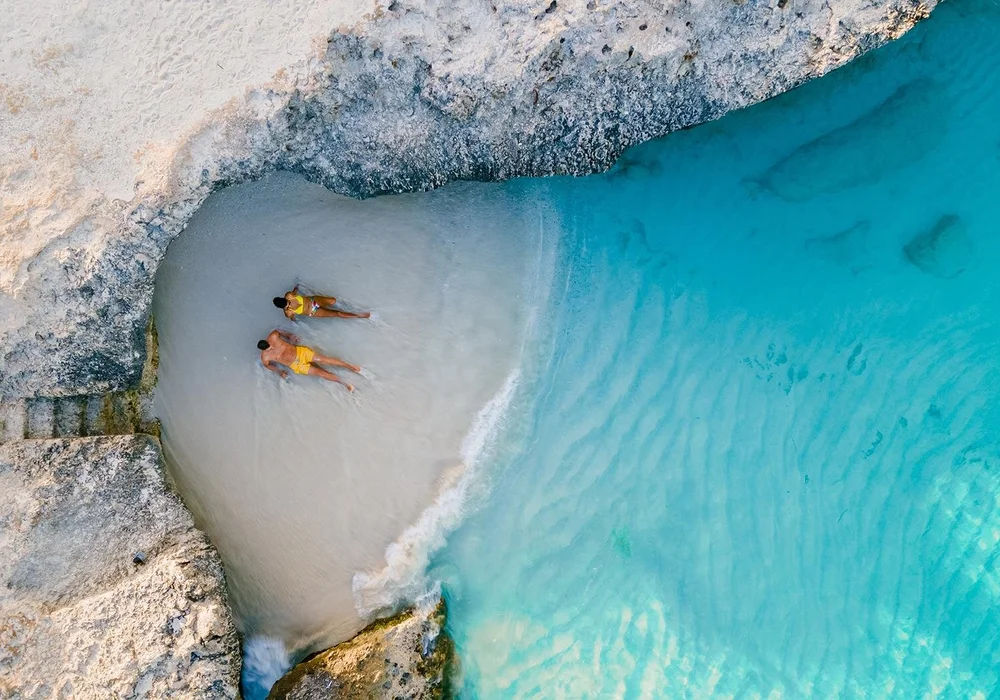
Many travelers picture Aruba as a string of white sandy beaches and turquoise waters, but there is another side to the island that feels worlds away from the resort scene. Covering nearly one fifth of Aruba’s total land, Arikok National Park is a protected landscape of rocky hills, coastal cliffs, desert scrub, and hidden shorelines. It is a place where history, wildlife, and geology come together to tell the deeper story of the island.
Wildlife Found Nowhere Else
Arikok is home to species that cannot be found anywhere else in the world. Among its most treasured residents are the Shoco, Aruba’s burrowing owl, the brightly patterned Cododo whiptail lizard, and the Cascabel rattlesnake, which is unique to the island. The variety of habitats within the park — from cactus-covered hills to sandy coves — provides shelter for both native and migratory animals. Birdwatchers often spot warblers and hummingbirds flitting among the divi-divi trees, while patient visitors might notice iguanas sunning themselves on warm rocks.
Traces of the Island’s First Inhabitants
The park’s significance goes far beyond its natural life. It is also a living museum of Aruba’s earliest culture. In the shade of limestone caves such as Fontein, visitors can still see the petroglyphs carved by the Arawak people centuries ago. These designs, carefully preserved, speak to the deep spiritual connection the island’s first inhabitants had with the land and sea. The park’s name comes from Sero Arikok, a hill that rises to 185 meters and offers sweeping views across the island, a reminder of how intertwined geography and history are in Aruba.
A Landscape Shaped by Time
Arikok’s scenery is unlike any other place in the Caribbean. The rugged terrain reveals layers of lava rock, quartz diorite, and limestone, evidence of the island’s volcanic origins. Exploring these landscapes can be done on foot, on horseback, or in a sturdy four-wheel-drive vehicle. Hikers will find trails that wind through dry riverbeds and past towering boulders, while drivers can follow unpaved routes to discover more remote corners of the park.
Places Worth Discovering
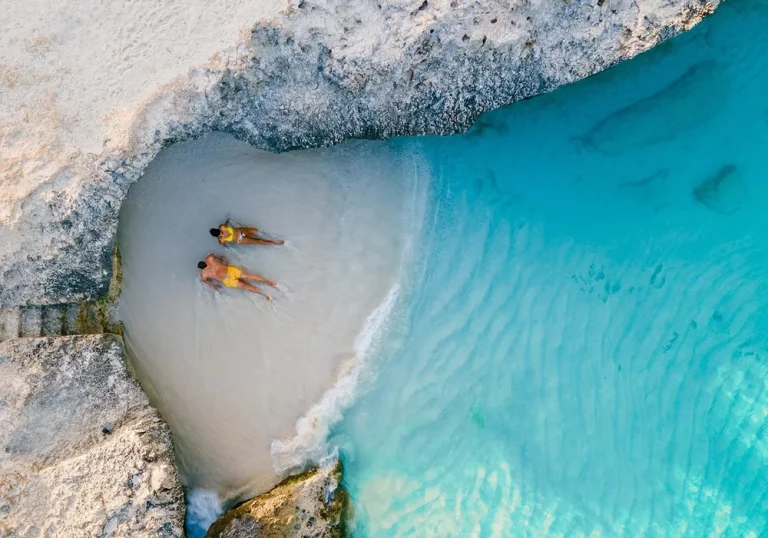
Several spots inside Arikok have become favorites among those who take the time to explore. Fontein Cave is known for its rock drawings and intricate limestone formations. Guadirikiri Cave draws visitors for the shafts of sunlight that pour through holes in the ceiling, creating dramatic beams in the dust-filled air. Dos Playa offers two quiet bays framed by rocky cliffs, and although its waves are too strong for casual swimming, it is a beautiful place to watch the surf. Boca Prins, with its powerful breakers and high cliffs, is a popular photo stop, while Moro Beach is nicknamed “Little Aruba” for a rock formation that mirrors the island’s shape.
Protecting the Park for the Future
Since being established in 1995, Arikok National Park has been managed not just as a visitor attraction but as a conservation project. Entrance fees help fund wildlife protection programs, restoration of native plants, and educational activities for schools. The park also hosts community events such as outdoor film nights, where locals and travelers can gather under the stars and enjoy the quiet beauty of the natural surroundings.
Visiting Arikok
A day in Arikok can be as relaxed or as active as you choose. You might spend hours hiking to hidden caves, spotting lizards along the trail, or simply finding a shaded spot to watch the wind move through the cacti. No matter how you explore, the park offers a chance to see Aruba in its raw and unpolished form, a reminder that this small island holds far more than just beaches.