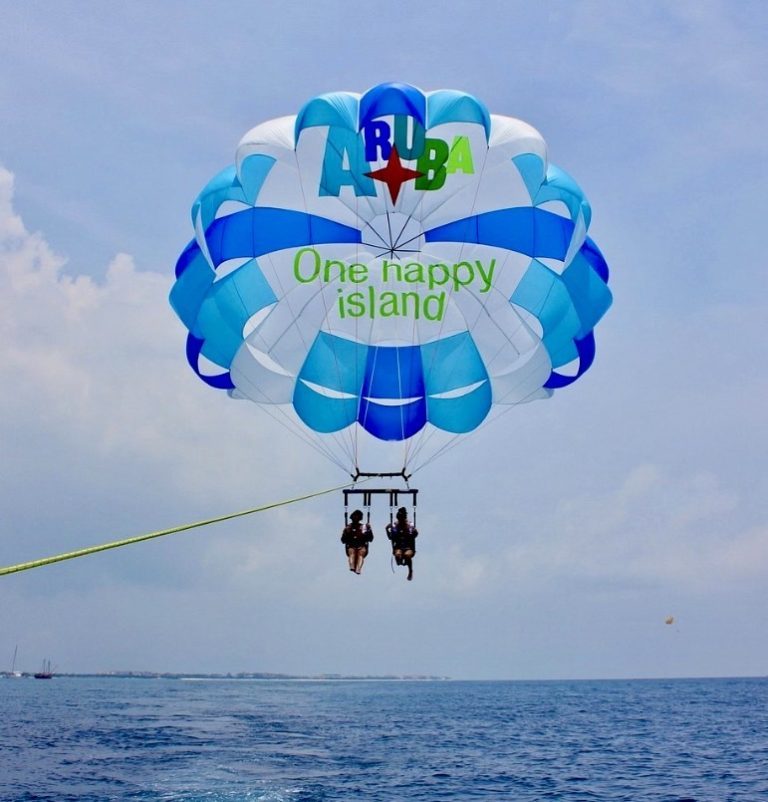
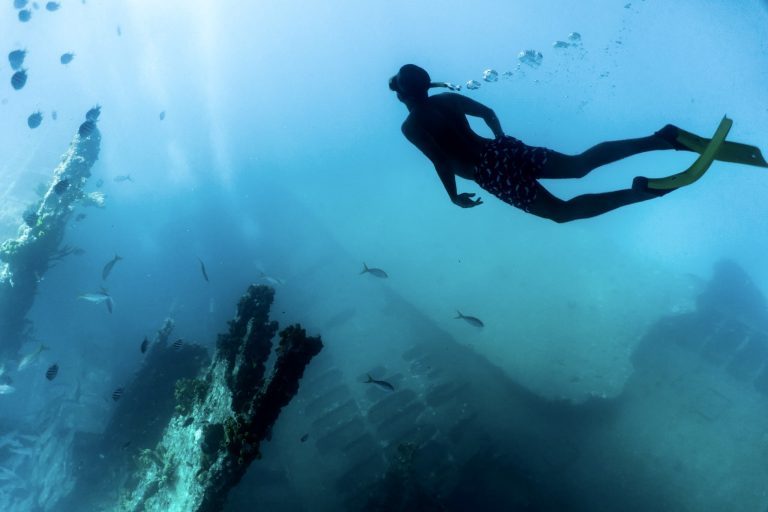
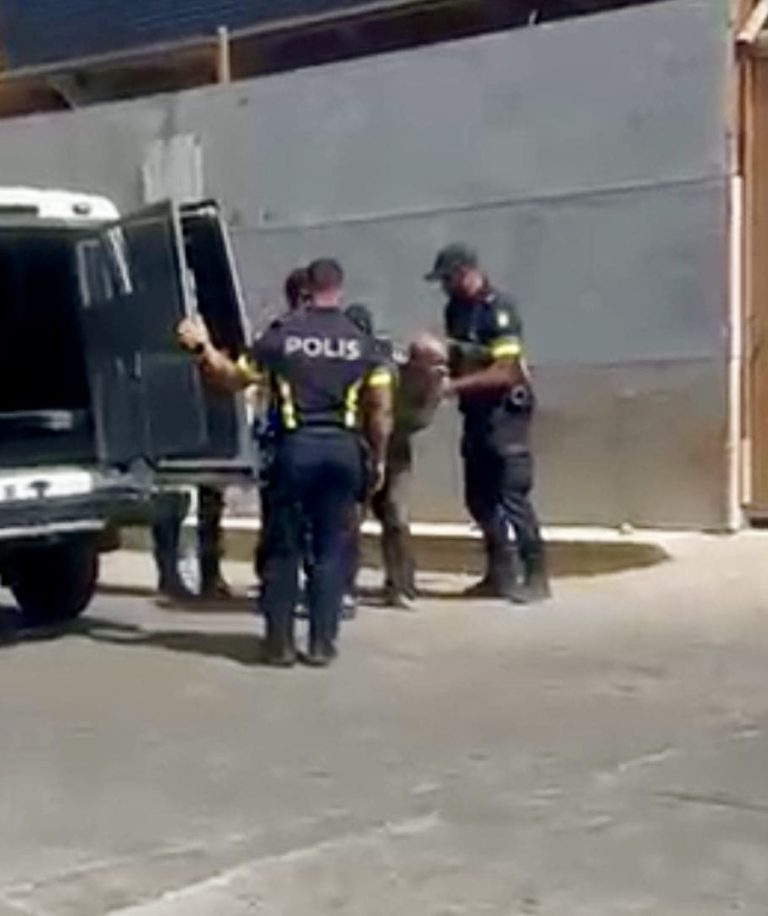
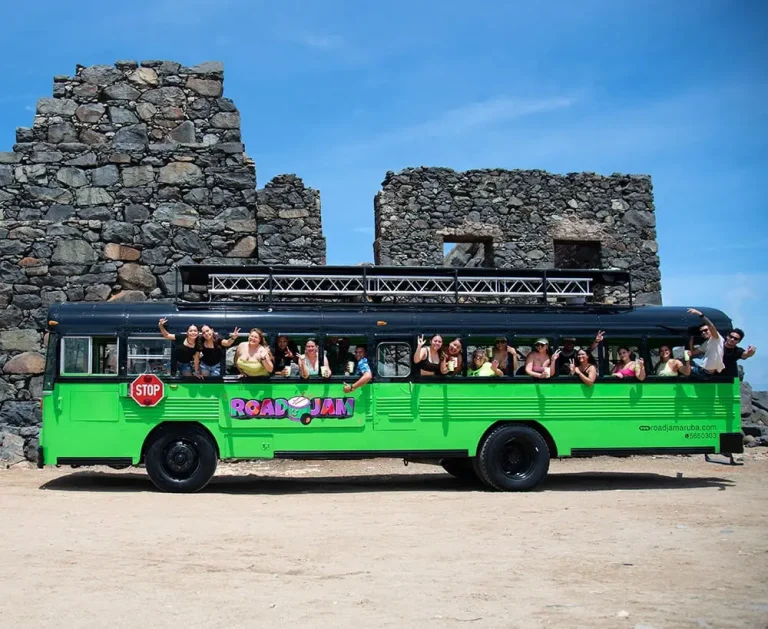
If you are heading to Aruba, you are in for a treat. Between the calm turquoise waters, golden sands, and famously warm-hearted locals, it is easy to understand why the island is called One Happy Island. While English is widely spoken, learning a few words of Papiamento can help you connect more deeply with the island’s culture and people.
Papiamento is a creole language that developed through centuries of cultural exchange in the Dutch Caribbean. It blends Spanish, Portuguese, Dutch, English, and several African languages, forming something truly unique to Aruba and its neighboring islands. For Arubans, Papiamento is more than just a way to communicate; it is a symbol of identity and pride. When visitors use even a few simple phrases, it often opens the door to friendlier and more personal interactions.
Here are some useful Papiamento expressions to try during your stay:
Bon dia. Bon tardi. Bon nochi.
Good morning. Good afternoon. Good evening.
These greetings are used throughout the day and are always appreciated. Whether you are entering a café, browsing in a shop, or greeting someone on the beach, using them shows friendliness and respect.
Con ta bai. Mi ta bon.
How are you. I am good.
A natural way to start a conversation. When someone asks “Con ta bai,” you can reply with “Mi ta bon,” or say “Mi ta hopi bon” if you are feeling very good.
Danki. Di nada.
Thank you. You are welcome.
Expressing gratitude is always kind. Use “Danki” to say thank you and “Masha danki” to say thank you very much. When someone thanks you, “Di nada” is a polite way to respond.
Por fabor.
Please.
A simple phrase that makes any request more polite, whether you are ordering food, speaking to a driver, or asking for directions.
Mi por haña…?
Can I have…?
A useful expression for ordering or asking for something. For instance, “Mi por haña un batido por fabor” means “Can I have a smoothie please.”
Unda e baño ta?
Where is the bathroom?
An essential phrase for any traveler. You will be glad you remembered this one.
Ayo.
Goodbye.
A friendly and casual way to say farewell. You will often hear it paired with a wave or a smile when leaving a store, a tour, or saying goodbye to new friends.
Bonus phrase: Mi ta stima Aruba.
I love Aruba.
Say this one with genuine feeling and you will surely make someone smile.
Final Thoughts
You do not need to speak Papiamento fluently to enjoy your trip. Even small efforts to use the language show appreciation for Aruban culture and create moments of connection. Whether you are exploring Oranjestad or relaxing in San Nicolas, speaking a few words of Papiamento will make your time in Aruba even more meaningful.