Aruba might be known for its white-sand beaches and year-round sunshine, but beyond the postcard-perfect views lies a wealth of unique stories and fascinating details that many visitors miss. Here are 10 fun and little-known facts that give you a deeper glimpse into Aruba’s character, culture, and quirks.
1. Aruba’s National Park Covers Nearly 20% of the Island
Arikok National Park isn’t just a nature reserve—it takes up about 18% of Aruba’s total land area. The park protects unique geological formations, ancient Arawak petroglyphs, and native species found nowhere else in the world, like the Aruban whiptail lizard.
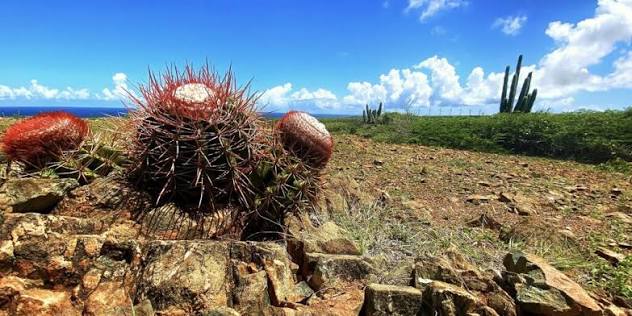
2. There Are More Cacti Than Trees
While it may be a Caribbean island, Aruba has a desert-like climate, and cacti vastly outnumber palm trees. The candle cactus (Kadushi) and prickly pear dominate the landscape, perfectly adapted to the island’s arid conditions.
3. Aruba Has Its Own Legal System—Separate from the Netherlands
Though Aruba is part of the Kingdom of the Netherlands, it has autonomous status and its own constitution, parliament, and laws. Aruba governs most of its internal affairs, with the Netherlands handling defense and foreign policy.
4. Flamingos Are Not Native to Aruba (But You Can Still See Them)
Despite the viral photos, flamingos are not native to Aruba. The iconic pink birds reside on Renaissance Island, a private island owned by a hotel. They were introduced there for tourism purposes and can’t be found in the wild.
5. The Island Has One of the Oldest Active Gold Mines in the Caribbean
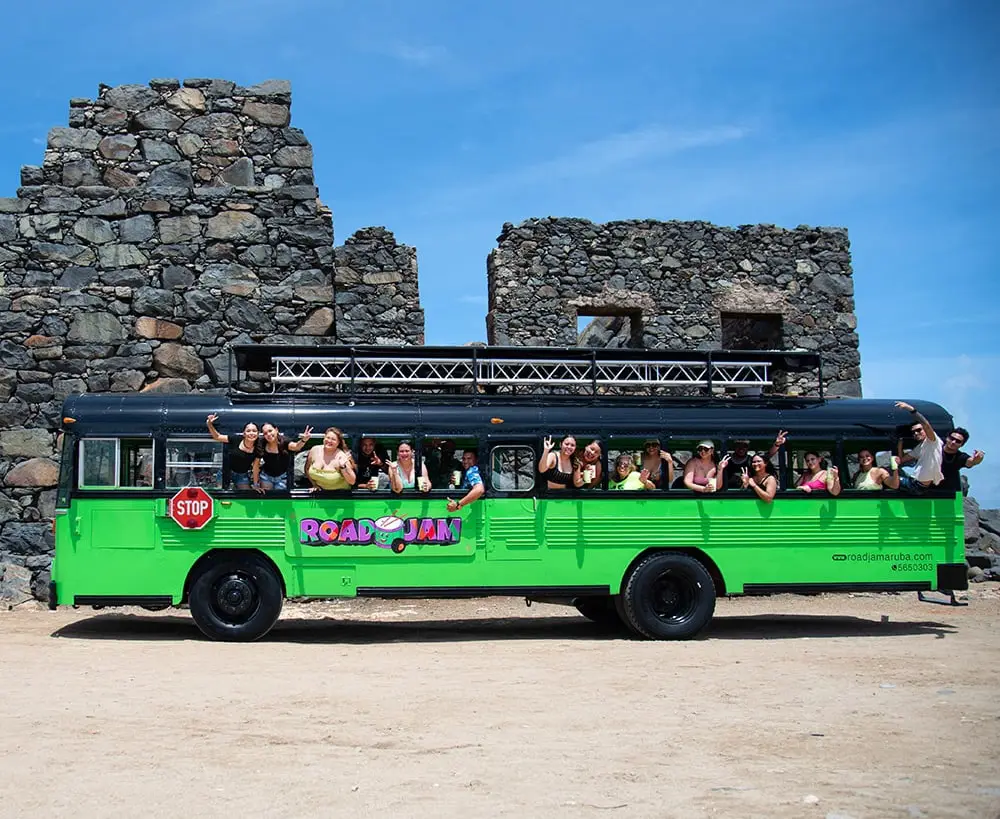
The Bushiribana Gold Mill Ruins date back to the 1800s, when Aruba experienced a mini gold rush. While the gold mining days are long gone, the ruins remain one of the island’s most mysterious and Instagrammable sites.
6. Aruba’s Tap Water Is Among the Cleanest in the World
Thanks to the largest desalination plant in the Caribbean, Aruba’s tap water is not only safe to drink—it’s of such high quality that locals often joke it’s “better than bottled.” The plant turns seawater into fresh, drinkable water every day.
7. Aruba Was Once a Hideout for Pirates
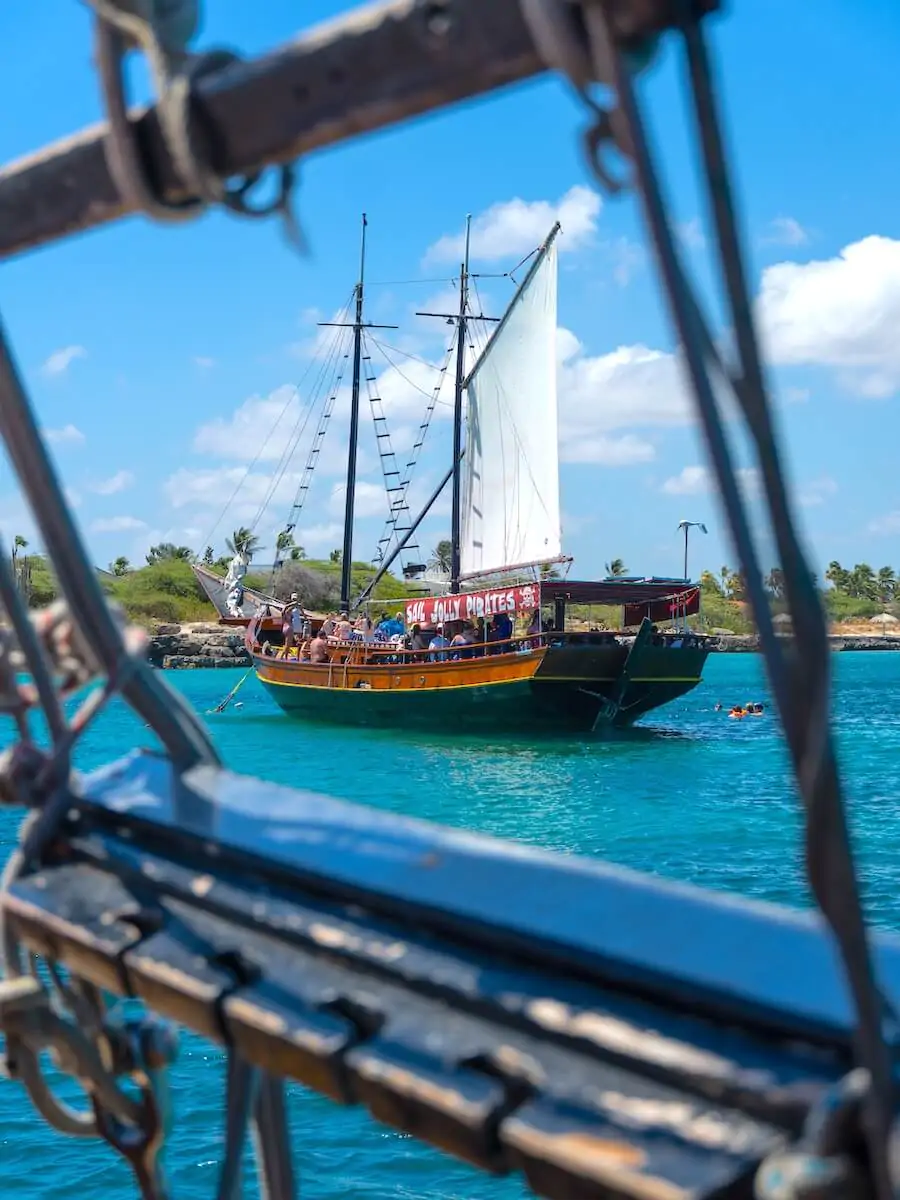
In the 17th century, Aruba was a popular stop for pirates who used the island’s coves and caves as hiding spots and lookouts. The most famous site, is the Quadirikiri Cave.
8. The Island Has No Natural Rivers or Lakes
Aruba is one of the few Caribbean islands that is completely riverless. Its dry, limestone-based terrain has no freshwater rivers or lakes, which is why rainwater collection and desalination are so important.
9. The Divi-Divi Tree Always Points West
The iconic Divi-Divi tree grows at an angle due to the constant trade winds from the east. It naturally points west and is used by locals as a natural compass—if you’re lost, just follow the direction the trees bend.
10. Aruba Is One of the Caribbean’s Safest Islands
With one of the lowest crime rates in the region, Aruba is widely considered one of the safest islands for both tourists and residents. Its stability is often attributed to strong community ties, a well-trained police force, and its status as a Dutch territory.
Bonus Fact:
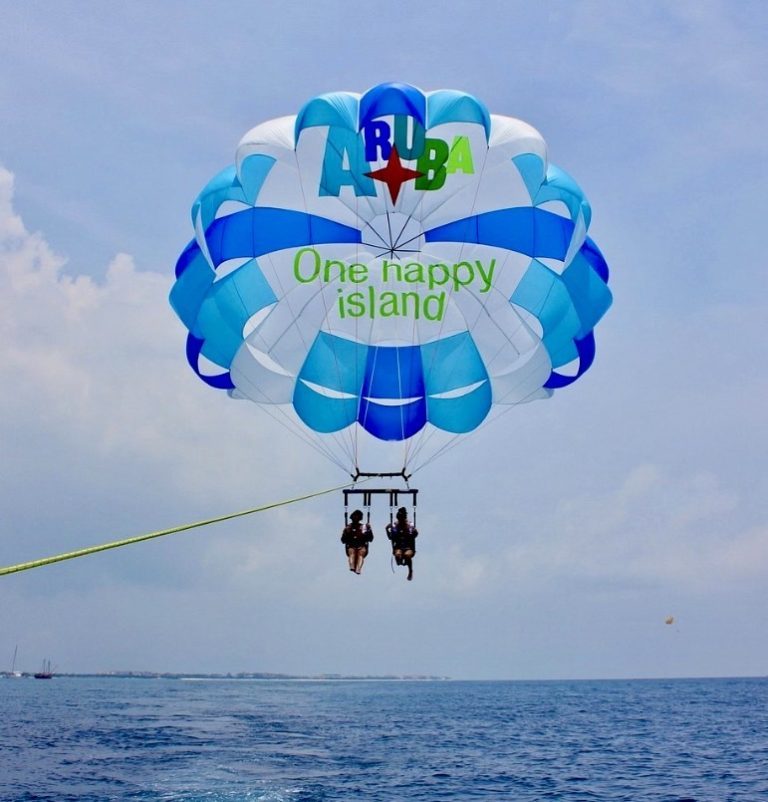
Aruba’s motto is “One Happy Island”—and it’s not just a slogan. Surveys consistently rank Aruba among the top for return visitors, thanks to its warmth, hospitality, and laid-back vibes.